The pool writes the quote.
The vault acts as automated counterparty, quoting executable prices instantly based on real-time volatility smiles without waiting for P2P counter-orders.
Choose a call or put spread. Review the pool's quote. Know your maximum loss before you confirm — with zero liquidations and visible onchain collateral.
Explore the live sandbox with test tokens. No real funds needed.
The idea, in 3 minutes
From an Oregon wheat farmer managing harvest uncertainty to the shouting pits of Chicago, the question was always the same: What if the price moves against you? Our film follows that question from analog pits to smart contract consensus.
Live interactive chart in the trading app. Pan, zoom, click any strike to trade.
Trading from the chart
Pan & zoom across sub-second tick feeds and multi-day history on ETH and BTC. Click anywhere on the chart to inspect the spread. Your strike and live payoff preview follow every edit.
Preview any price, inspect implied volatility smiles from the Rust engine, and confirm a listed strike with instant pool liquidity.
Explore the Chart Tab →The vault acts as automated counterparty, quoting executable prices instantly based on real-time volatility smiles without waiting for P2P counter-orders.
The contract reserves the maximum possible payout before opening the trade. Winning tickets are 100% solvent and backed by locked token collateral.
Your downside is bounded at entry. Because spreads have a defined floor and cap, you can never owe margin or suffer forced cascading liquidations.
The Evolution of Options
Before options were lines on glowing screens, they were legal promises written on paper to protect grain farmers from ruin. Optionality brings that core promise into verifiable onchain code.
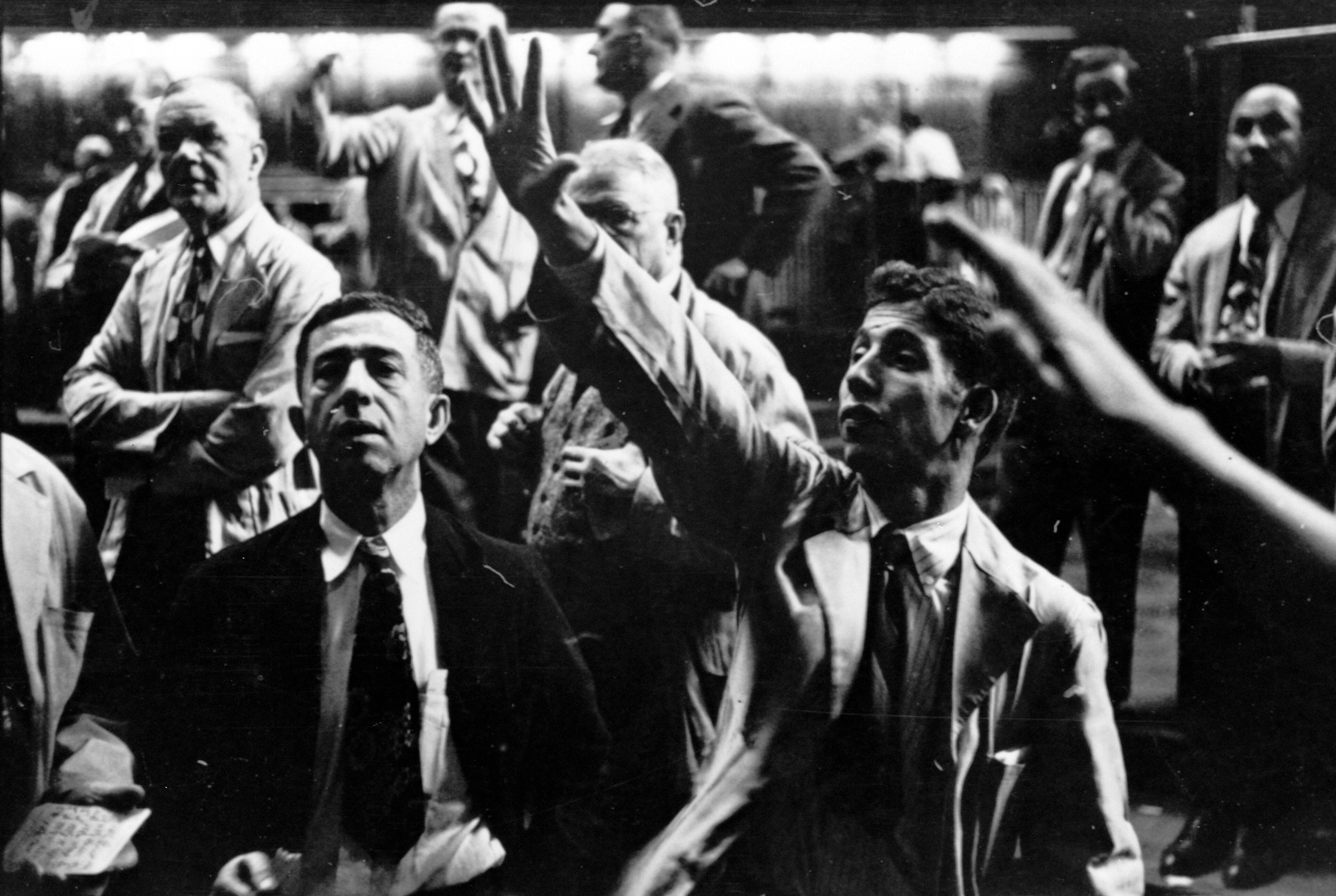
Stanley Kubrick photographed the Chicago Board of Trade trading floor in 1949. Thousands of traders screamed across hexagonal pits to establish fair value. Liquidity depended entirely on who was standing in the crowd.

Options began not as financial speculation, but as insurance for producers. A farmer lock-in a price floor so a bumper crop wouldn't collapse their livelihood before market day.
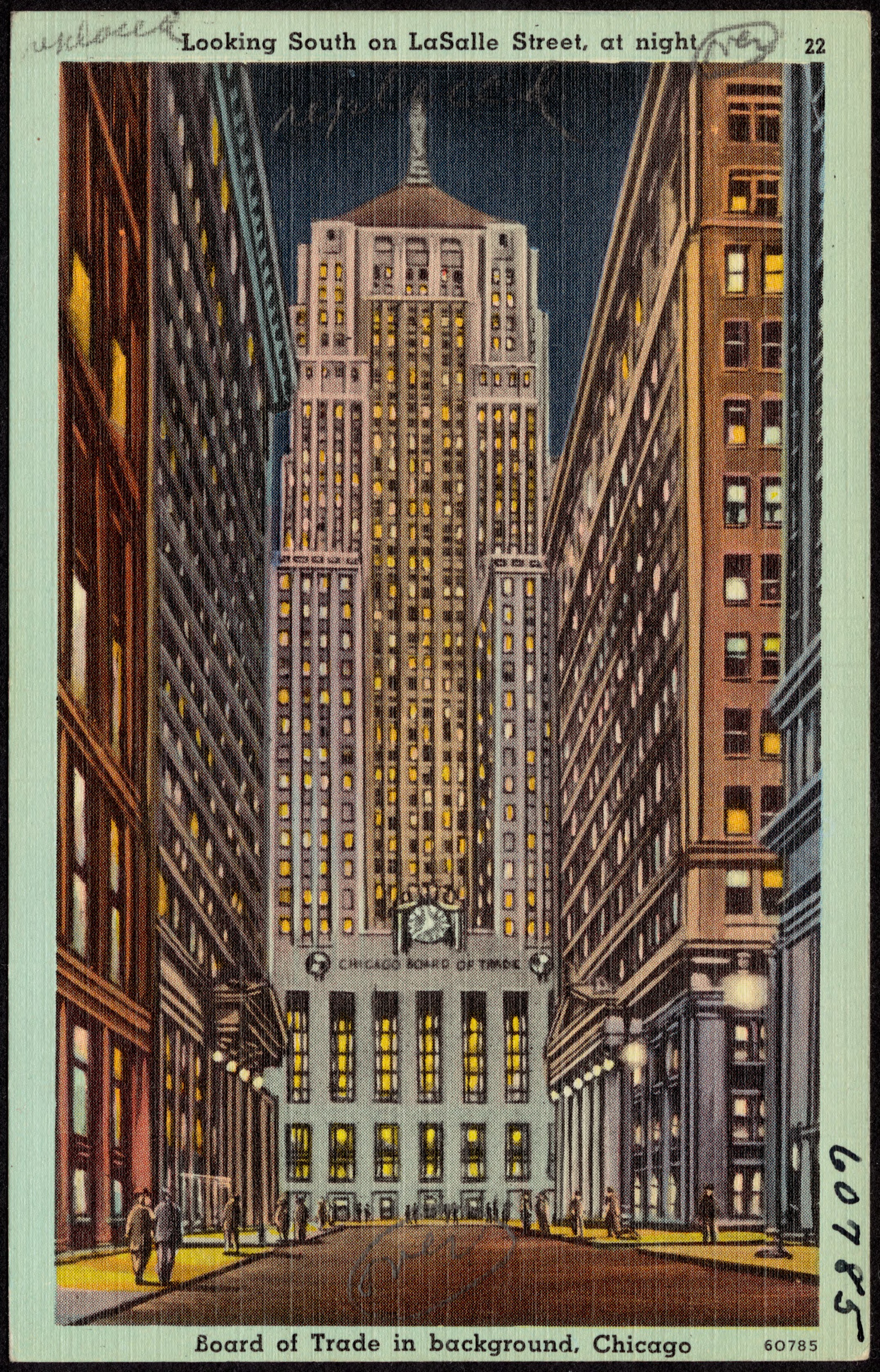
The Chicago Board of Trade standardized grain grading, warehouse receipts, and counterparty guarantees — the direct ancestors of modern clearinghouses.
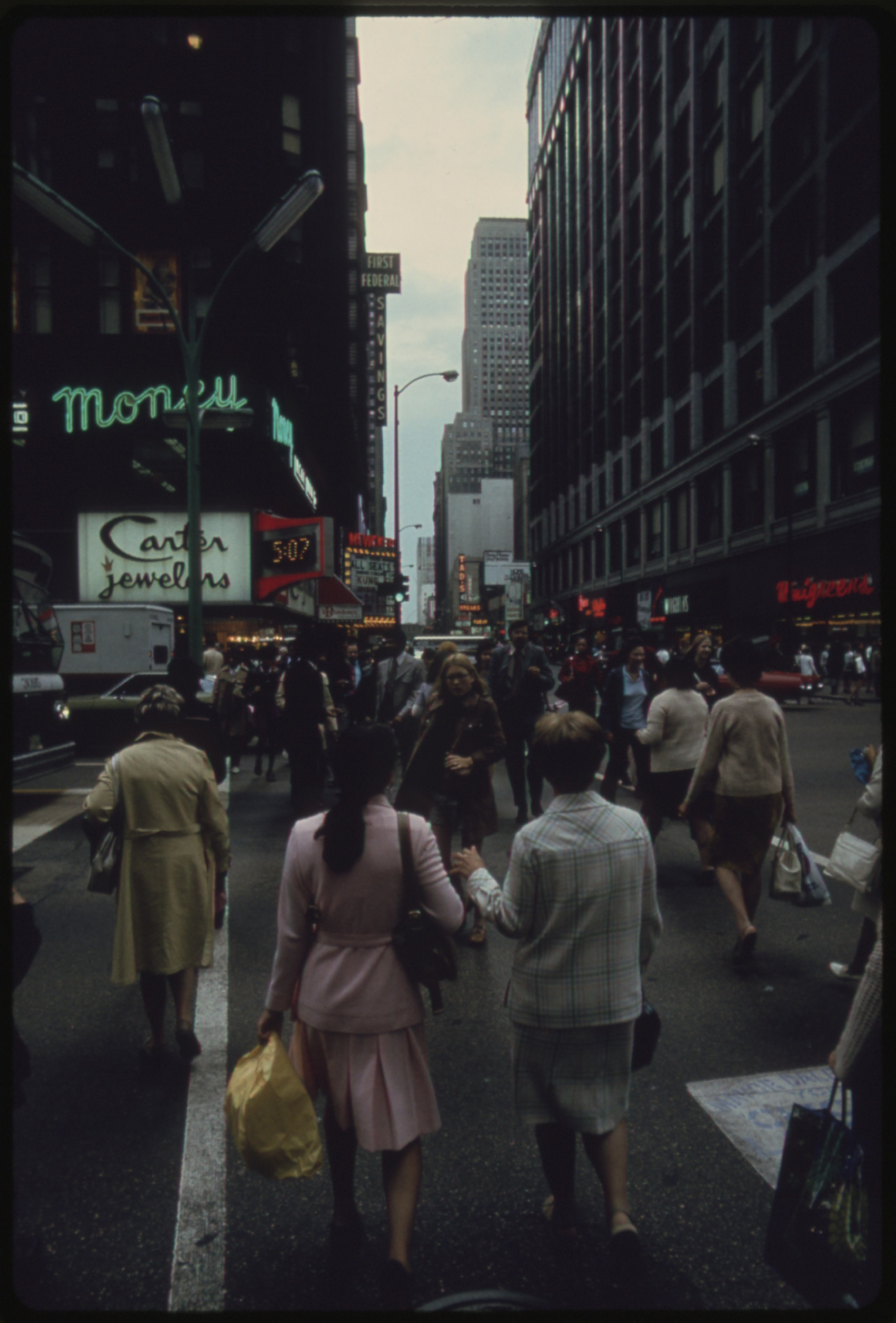
In April 1973, the CBOE opened in a former smoker's lounge. Call options were listed on 16 stocks. Black & Scholes published their pricing formula that same year.
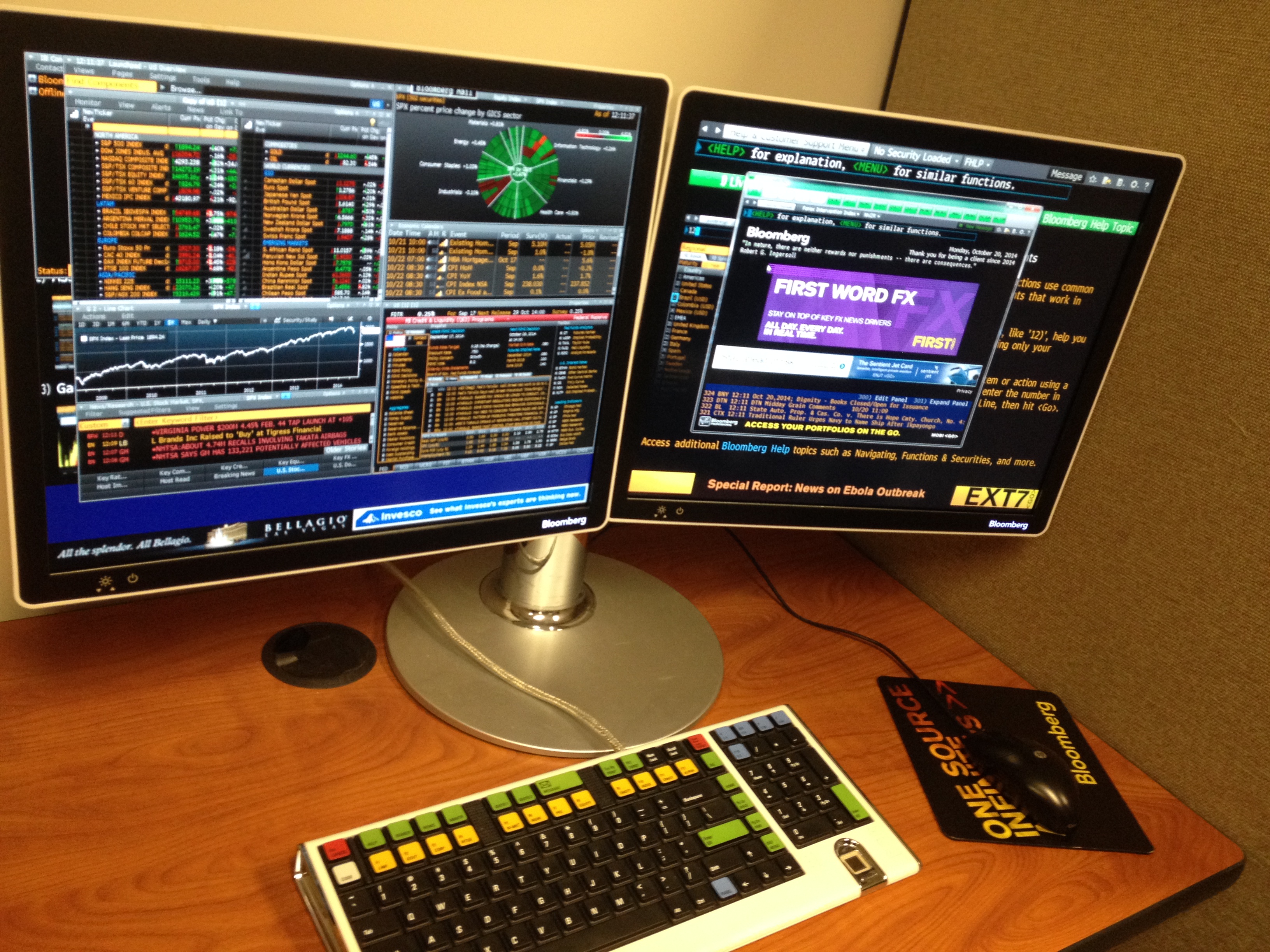
NEAR smart contracts replace the broker, clearinghouse, and margin desk. Capital is escrowed, risk is mathematically bounded, and settlement is verified by multi-oracle consensus.
Expiry & Oracles
A single oracle feed can glitch, lag, or be manipulated. Optionality runs a decentralized settlement committee with dedicated seats for Kraken, OKX, Pyth, and the venue's internal median index.
At least two distinct fresh sources must agree within the contract's tolerance. The venue index is just one vote — it cannot unilaterally settle your ticket.
2 distinct fresh seats required · Agreement → Onchain settlement
Frequently Asked Questions
From vertical spread payoff equations to pool solvency and oracle settlement rules. Clear answers directly from the technical documentation.
Optionality trades bounded vertical spreads (bull call spreads and bear put spreads) on ETH and BTC. Each instrument has two defined strikes [$K_L, K_H$] and a fixed expiry timestamp.
At expiry, a call spread pays clamp(S − K_L, 0, K_H − K_L) per contract, and a put spread pays clamp(K_H − S, 0, K_H − K_L). Payouts are fully cash-settled in USDT.
No. Unlike linear perpetual futures, you can never be liquidated and will never owe margin. When buying a spread, the upfront premium paid is your absolute worst-case loss.
Even if the underlying cryptocurrency crashes 80% in an hour, you will never receive a margin call or face auto-deleveraging.
Every ticket is 100% solvent from the moment it is opened. When you trade against the liquidity pool, the smart contract calculates the maximum possible payout (contracts × spread_width) and locks that exact token collateral in reserve.
The pool cannot accept a trade unless it has sufficient unencumbered equity to guarantee the maximum potential winning payout.
Settlement is governed by an independent 4-seat oracle committee: the venue's median index, Kraken, OKX, and Pyth Network. At expiry, signed price attestations are submitted onchain.
The contract requires at least two distinct fresh feeds to agree within tolerance. Once consensus is verified onchain, ticket payoffs are automatically unlockable.
Yes. Standard pool tickets can be closed early at any time at the pool's live exit quote (pool_close). Alternatively, you can post a limit order on the order book.
Traders who select the "Hold to Expiry" toggle enter at the pool's mid-market price with zero venue entry margin, agreeing to hold until settlement without early exit.
Liquidity providers deposit USDT to back the pool's worst-case collateral. In return, the pool collects the venue entry margin on every option written, plus any unexercised collateral from losing positions.
LPs receive yield organically from options market making and flow, without token emissions or inflationary subsidies.
The hosted venue at optionality.pro runs on an isolated NEAR sandbox with simulated high-frequency market makers and real price feeds from Binance, Bybit, and Coinbase.
You can top up test tokens freely in the app and test full options trading, order queueing, and early closing without risking capital.
Start Trading Now
ETH and BTC · Instant Pool Quotes · Onchain Collateral · Verified Consensus